



How to screen a tenant
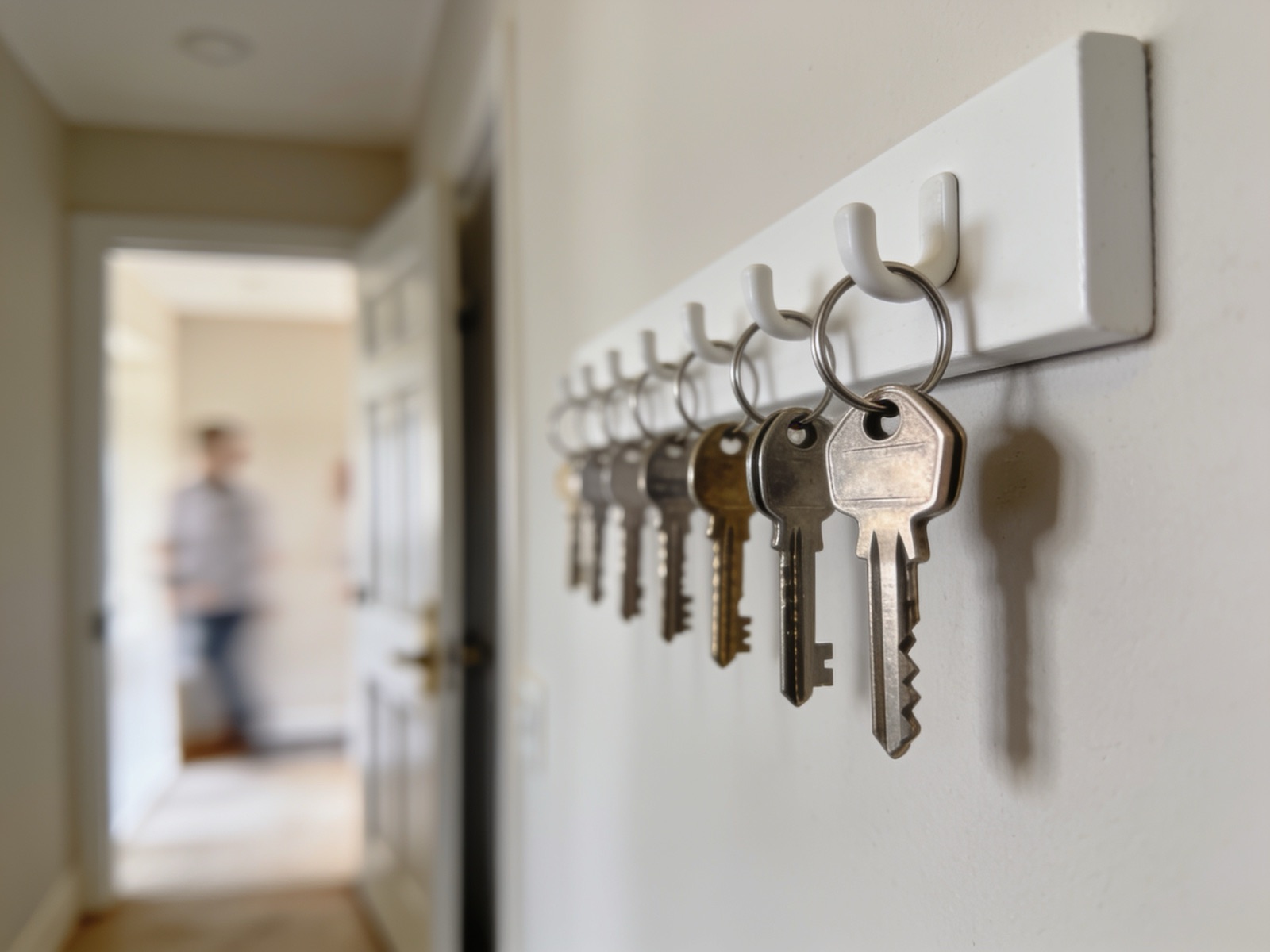
Choosing a tenant is one of the landlord's most important decisions. The tenant's credibility determines whether the lease will be calm and timely or will end in arrears and disputes. That is why more and more owners consciously screen candidates before signing a contract.
In this guide we show how to assess a tenant's credibility reliably and in accordance with the law: what it is worth asking about, which documents you may expect and where the limit lies as set by data protection and the ban on discrimination.
- Screening a tenant helps limit the risk of rent arrears, damage and conflicts before the contract is even signed.
- The basis is a conversation, confirmation of identity and an assessment of income stability, while respecting the personal data protection regulations.
- You may not require documents excessively or breach the principles of equal treatment; screening should be appropriate and lawful.
- An occasional lease and a well-drafted contract additionally safeguard the landlord, regardless of the outcome of screening.
Why screen a tenant
Checking a candidate before signing a contract helps limit the most common lease problems: rent arrears, damage and conflicts. A credible tenant means less financial risk and greater peace of mind throughout the cooperation. Screening does not give a full guarantee, but it clearly reduces the likelihood of a difficult situation.
It is worth remembering that screening is a two-way process. A reliable owner who clearly communicates the rules and respects the candidate's privacy themselves builds trust and attracts solid tenants.
The conversation and confirming identity
The first step is a conversation during which you can learn the candidate's situation: the reason for looking for a flat, the planned lease period, the number of people who are to live there and their expectations. Honest and consistent answers are a good sign, while evasive ones warrant caution.
A natural element is confirming identity on the basis of a document. The tenant's data will be needed for the contract anyway, so verifying it is justified. However, you should process only the information that is necessary, in accordance with the principles of personal data protection.
Assessing income stability
Crucial for the safety of the lease is the tenant's ability to pay rent regularly. You may ask for information about the source and stability of income, and with the candidate's consent, for a document confirming employment or income. The requirements should be appropriate and the same for all candidates.
This is not about gathering an excess of documents, but about a reasonable assessment of whether the tenant will cope with the charges. It is worth remembering the ban on discrimination: the assessment criteria should concern financial credibility and credibility as a tenant, not personal characteristics.
The legal limits of screening
Screening a tenant must comply with the personal data protection regulations. This means collecting only the necessary data, informing about the purpose for which it is processed, and not storing it longer than necessary. Demanding excessive or sensitive information is inadmissible.
Equally important is the ban on unequal treatment. You may not refuse the lease for reasons that breach the principles of equality. Screening should be based on objective grounds connected with the safety of the lease, not on prejudice.
Additional contractual safeguards
Even the best screening will not replace a well-drafted contract. A deposit, a precise handover protocol and clear rules of payment and termination significantly limit the risk. For many owners, an additional safeguard is the occasional lease, which makes recovering the premises easier.
It is worth treating screening and contractual safeguards as complementary elements of one strategy. Checking the candidate reduces the risk at the entry point, and a good contract protects in case problems arise despite everything.
Summary: reasonable and legal screening
Screening a tenant is an effective way to limit the risk of arrears and damage, provided it is conducted reliably and in accordance with the law. Rely on a conversation, confirming identity and an appropriate assessment of income stability, while observing the rules of data protection and equal treatment. Combined with a deposit, a protocol and possibly an occasional lease, you gain a coherent safeguard for a calm lease.
Frequently asked questions
Which documents may I require from a tenant?
Can I refuse the lease to a chosen candidate?
How to screen a tenant in line with data protection?
Does screening guarantee no problems?

The RealtyTM editorial team prepares guides based on Polish market data and current regulations. Content is reviewed by our subject editors.
Related reads

A rental deposit protects the landlord against damage and arrears. Check how much it is, how to settle it and when it must be returned to the tenant.
Read more
A landlord has not only rights but also obligations: handing over the premises, repairs and settlements. Learn the scope of the owner's duties to the tenant.
Read more
Terminating a lease depends on its type and reason. Check when you may terminate a fixed-term and an open-ended lease and how to do it correctly.
Read more